Tag: https://boss29.news

Online Betting Ethics Appraisal Prjrthnk Exploring Ethical Questions...
The rapid expansion of digital gambling platforms has sparked crucial global discussions regarding user safety, marketing accountability, and operational integrity. Conducting a thorough online betting ethics appraisal requires examining how modern platforms balance commercial goals with consumer protection. Understanding these moral dimensions allows industry observers and users to evaluate digital gaming environments more critically.
Algorithmic Targeting and User Vulnerability
Modern online gambling sites rely on sophisticated algorithms to analyze user behaviors and optimize player retention. While personalized features enhance user engagement, concerns arise when data analytics target vulnerable individuals who display signs of compulsive behavior. Responsible platforms are expected to set strict ethical boundaries that prevent predatory tracking mechanisms.
Transparency in algorithmic operations remains a major hurdle for regulators worldwide. Platforms that prioritize long-term user safety implement automated intervention tools to limit excessive spending. Ethical operators ensure that promotional notifications do not exploit personal player data for financial gain.
Marketing Accountability and Platform Integrity
Digital advertising in the gaming sector often walks a fine line between effective promotion and misleading communication. Aggressive bonus campaigns and unclear wagering terms can obscure the true financial risks involved in online gaming. Evaluating promotional clarity serves as a primary standard when assessing operator trustworthiness.
Independent industry portals like boss toto offer valuable insights into platform standards and operational practices. Maintaining transparent reporting helps consumers navigate complex digital choices with greater clarity. Establishing public accountability encourages operators to adhere to higher ethical standards across their marketing efforts.
Corporate Responsibility and Harm Prevention
Corporate social responsibility in digital betting extends beyond basic compliance with regional licensing requirements. Industry leaders must actively fund independent research, support addiction recovery programs, and maintain robust age verification systems. Protecting minors and vulnerable populations remains non-negotiable for ethical operators.
Proactive risk mitigation measures demonstrate an operator's genuine commitment to sustainable industry practices. Features like mandatory deposit limits, cooling-off periods, and easy self-exclusion access empower users to manage their habits responsibly. These structural safeguards are essential for maintaining public trust in digital gaming options.
The Future of Ethics in Digital Gaming
As technological capabilities advance, the ethical standards governing online gambling must evolve continuously. Cross-border digital operations require unified international frameworks to enforce player protections effectively. Global cooperation will ensure that ethical standards adapt alongside technological innovations.
Achieving a sustainable gaming ecosystem requires active participation from operators, policy makers, and consumers alike. Prioritizing moral accountability protects users while fostering a transparent digital environment. Ongoing dialogue surrounding gambling ethics will shape the regulatory landscape for years to come.
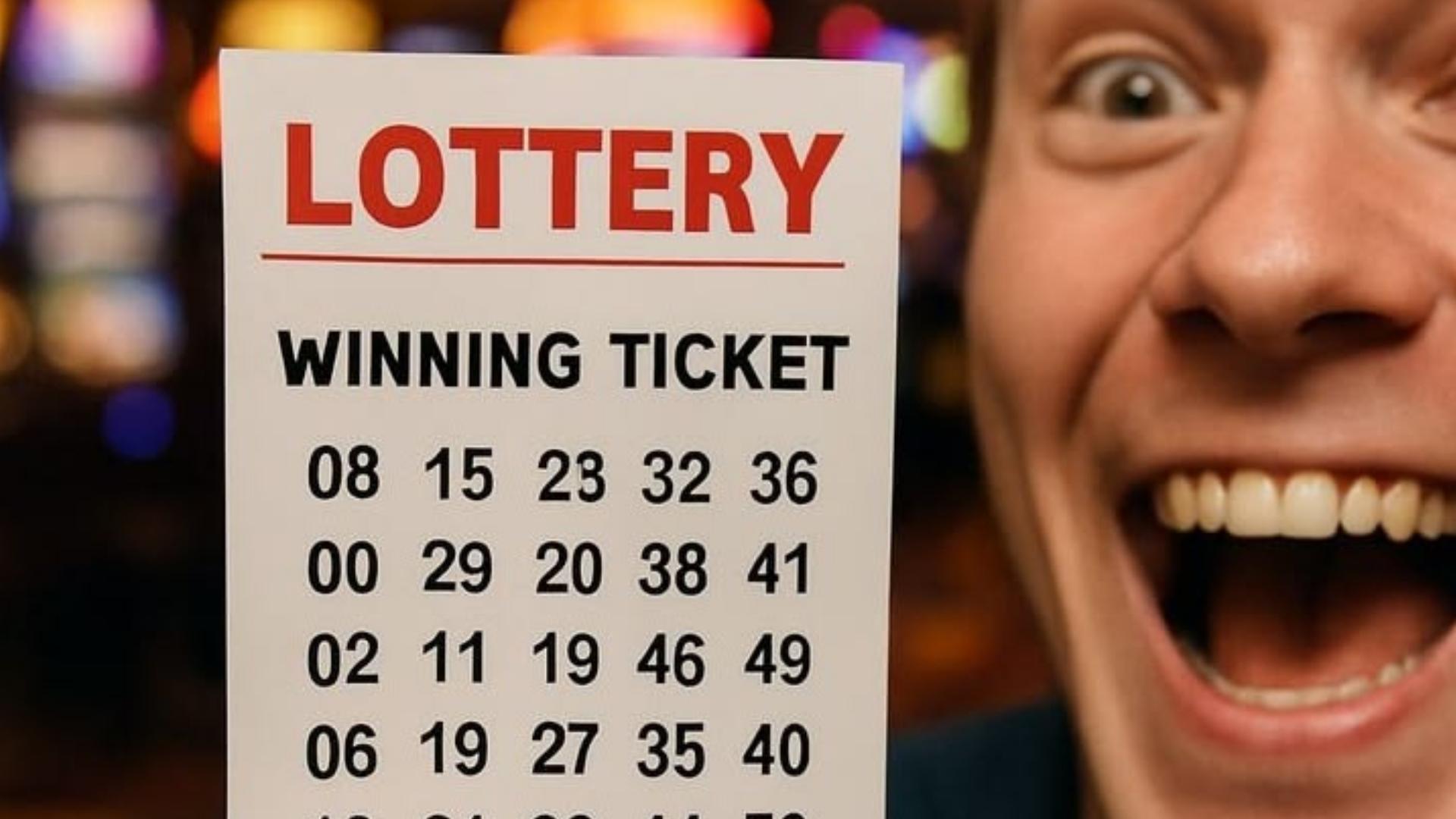
What Makes A Random Result Feel Surprisingly Personal
When an unpredictable event produces an outcome that aligns perfectly with a person current thoughts or situation, it often creates a profound sense of meaning. Even though logic dictates that chance operates without memory or intent, the human mind naturally constructs connections between random occurrences and personal experiences. Exploring this psychological phenomenon reveals how cognitive biases, pattern recognition, and timing work together to make chance feel surprisingly intimate.
The Cognitive Instinct for Pattern Recognition
Human survival has long depended on the ability to detect patterns and relationships in complex environments. This evolutionary trait prompts the brain to search for meaning even in purely statistical outcomes, turning coincidences into significant narrative moments. When an arbitrary selection reflects a recent personal event, the brain immediately prioritizes that outcome as relevant context.
Psychologists refer to this tendency to perceive meaningful connections between unrelated things as apophenia. Because our mental framework continuously organizes incoming information around personal goals and memories, a randomized output often feels tailored specifically to us. This cognitive process transforms raw probability into a deeply subjective encounter.
The Influence of Selective Attention and Timing
Timing plays a crucial role in how we interpret chance selections in daily life. An outcome that occurs during a period of uncertainty or intense focus carries far more emotional weight than the same result received during routine activity. When we are actively searching for direction, our heightened awareness causes us to filter out irrelevant data and lock onto specific answers.
Furthermore, selective memory ensures that we remember striking coincidences while completely forgetting the countless times random draws produced mundane results. Platforms offering dynamic digital selections or insights, such as boss toto, highlight how unexpected results can capture human curiosity. The combination of perfect timing and focused attention makes chance encounters feel intentionally calculated.
Confirmation Bias and Emotional Projection
When individuals receive an arbitrary result, they rarely evaluate it with complete neutrality. Instead, they project their existing desires, fears, and hopes onto the outcome to make sense of the message. This emotional projection allows a single output to be interpreted in dozens of different ways depending on who is viewing it.
Confirmation bias further reinforces this impression by encouraging people to accept aspects of a result that fit their current mindset while ignoring discrepancies. As a result, even vague or broad choices can feel intensely personal and revealing. The mind actively fills in the blanks, turning a simple random event into a reflective personal exercise.
Finding Agency in Unpredictable Moments
Surrendering control to a randomized system can paradoxically offer a renewed sense of personal clarity and agency. When faced with decision fatigue, letting chance make a selection forces individuals to confront their true feelings about that option. If a person feels disappointed with a random choice, they instantly realize what they actually preferred all along.
Ultimately, random results feel personal not because the underlying mechanism knows us, but because our reaction reveals our inner thoughts. These unexpected moments act as psychological mirrors that help us process emotions and make sense of complex choices. Embracing this dynamic allows us to appreciate the subtle interplay between pure probability and human perception.